Switzerland · Mountains
Zermatt · 4,478 m
Matterhorn
The most famous outline in the Alps, above car-free Zermatt.
Zermatt · 4,478 m
Matterhorn
The most famous outline in the Alps, above car-free Zermatt.
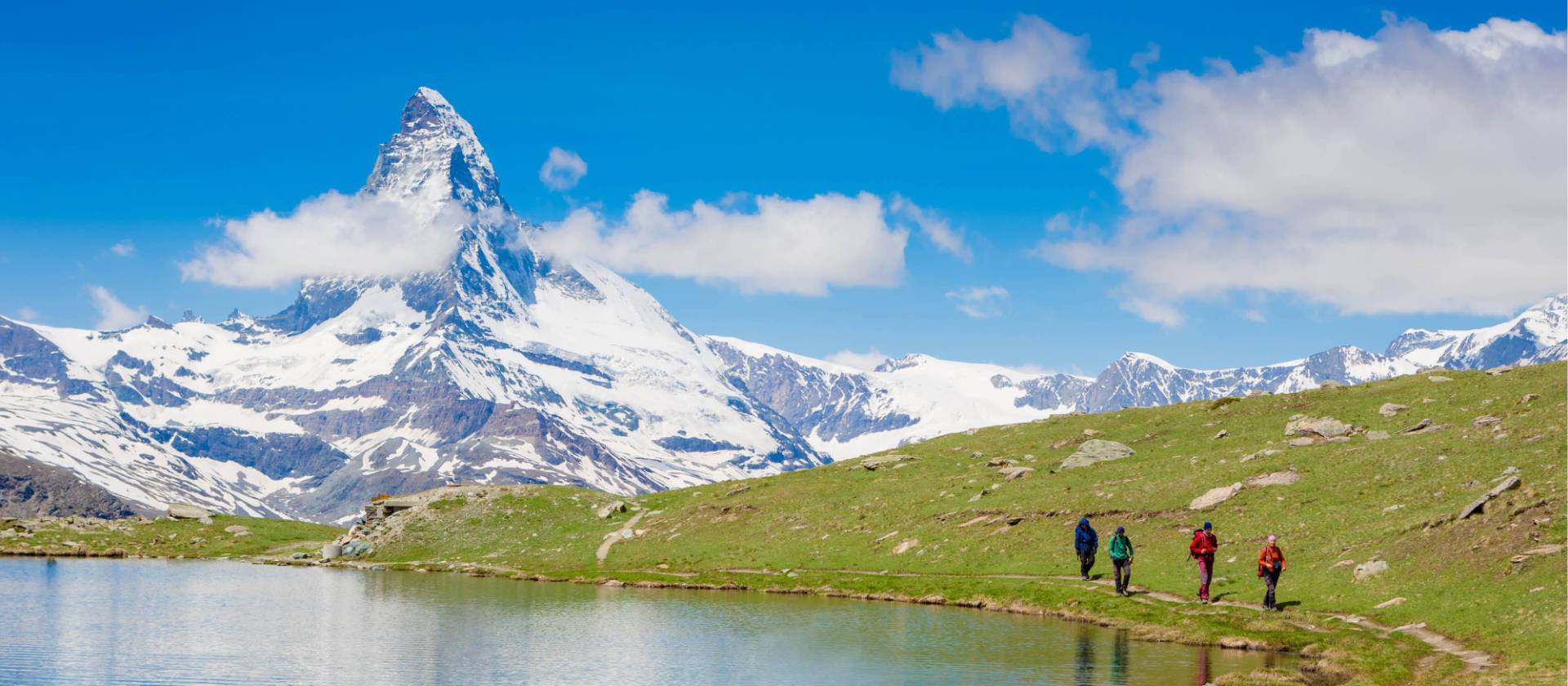
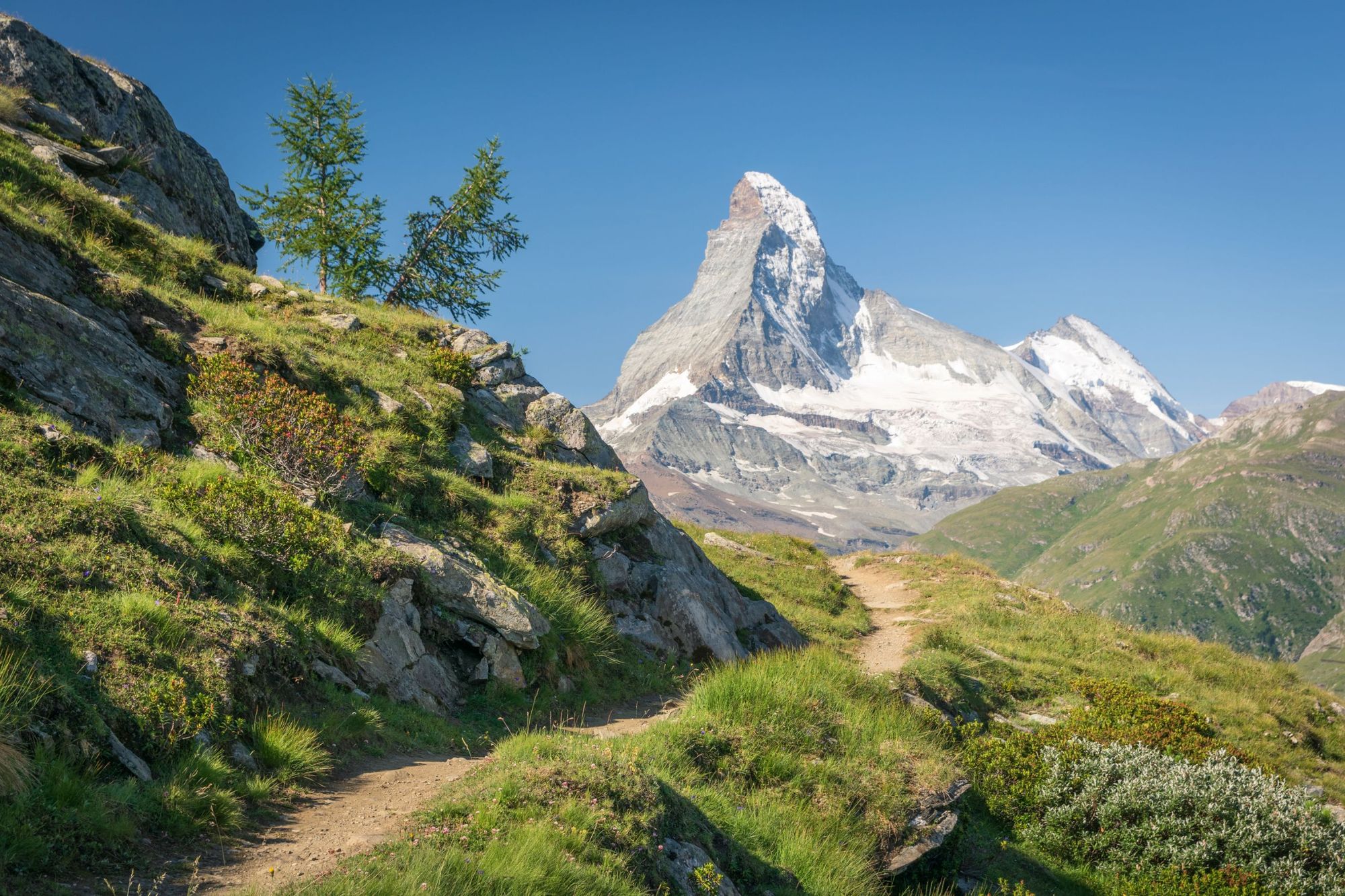
At 4,478 metres the Matterhorn is the symbol of the Swiss Alps. Its four steep faces point almost exactly to the four points of the compass, and the ridge that runs over the summit marks the border between Switzerland and Italy, where the mountain is called Monte Cervino. Zermatt, the village at its foot, is the place to admire it: a resort without cars, served by electric taxis and horse-drawn carriages, where old larch-wood barns still stand between the chalets and hotels.
The mountain has a long and dramatic history. It was first climbed in July 1865 by a party led by the English climber Edward Whymper, and four of the seven men died on the way down. The Matterhorn Museum in the centre of Zermatt tells this story and the story of the village, from a farming community to one of the best-known mountain resorts in the world.
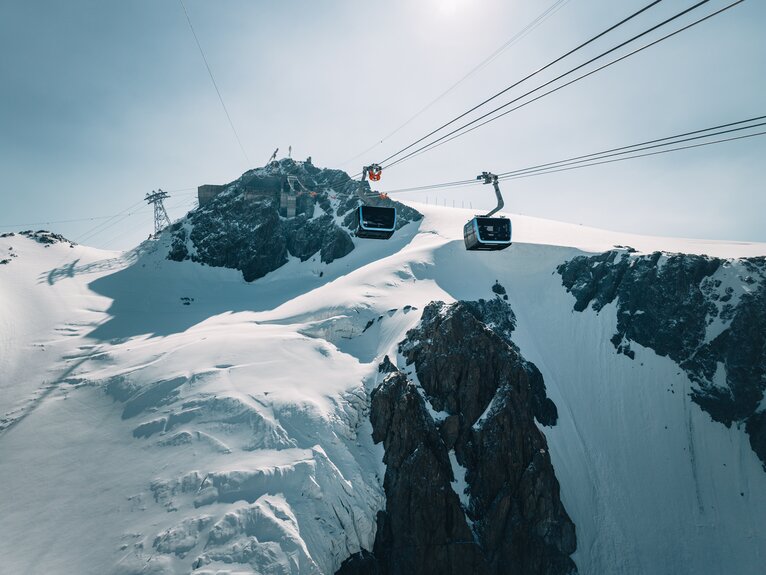
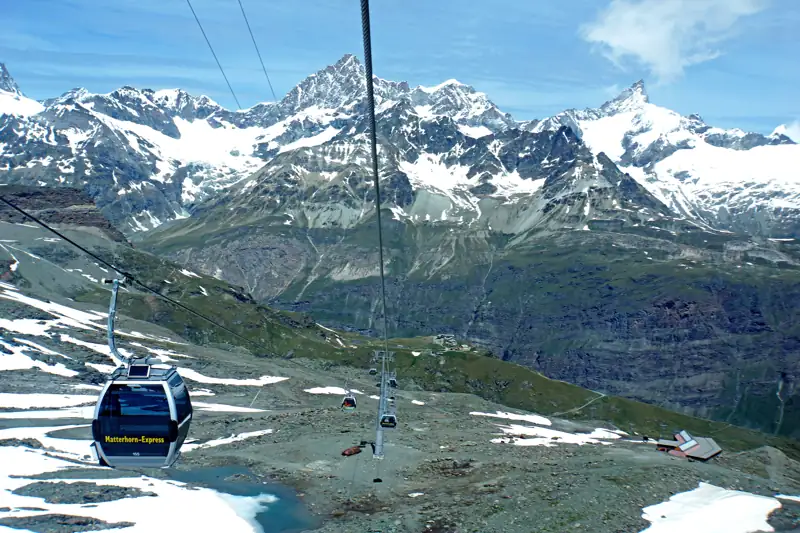
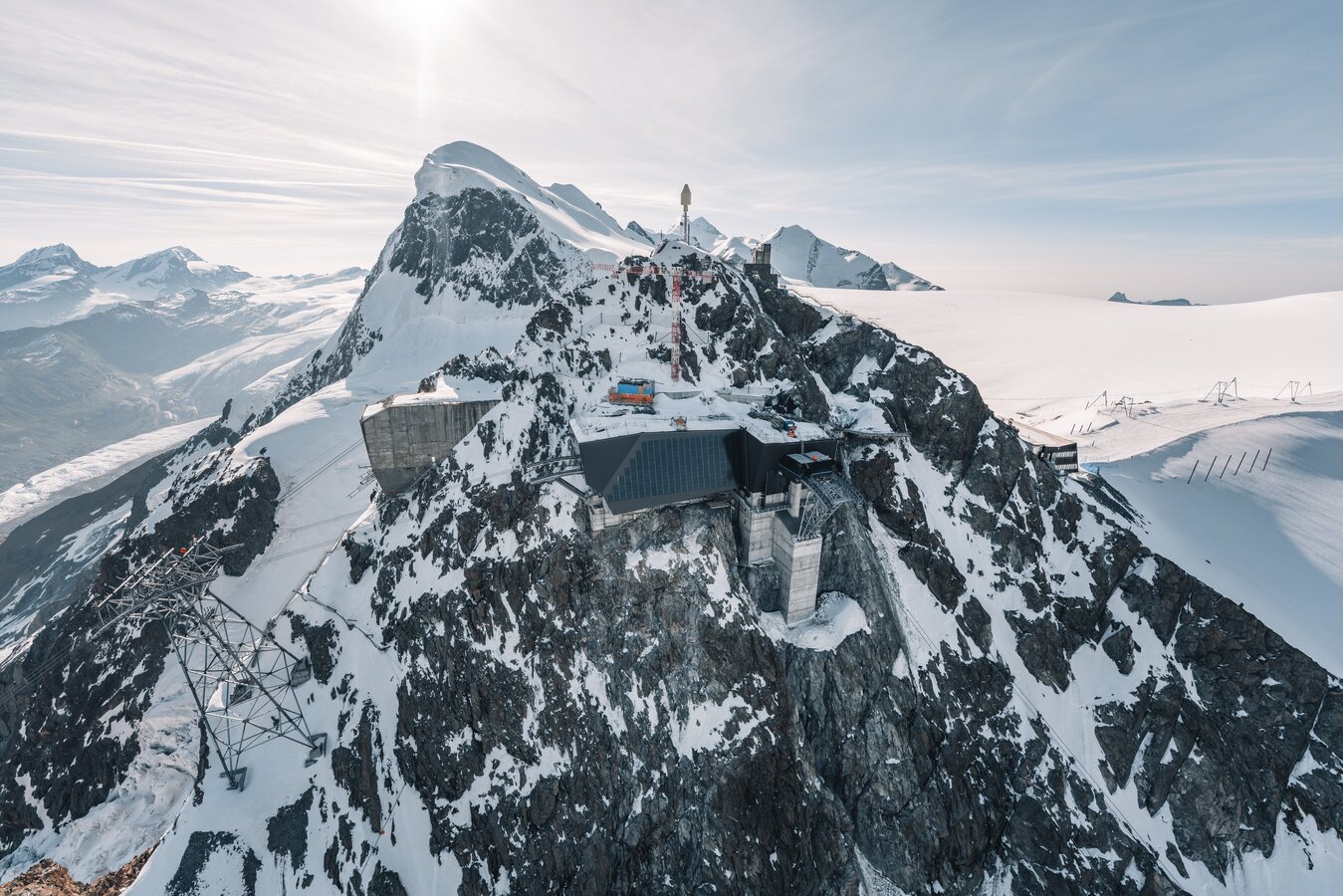
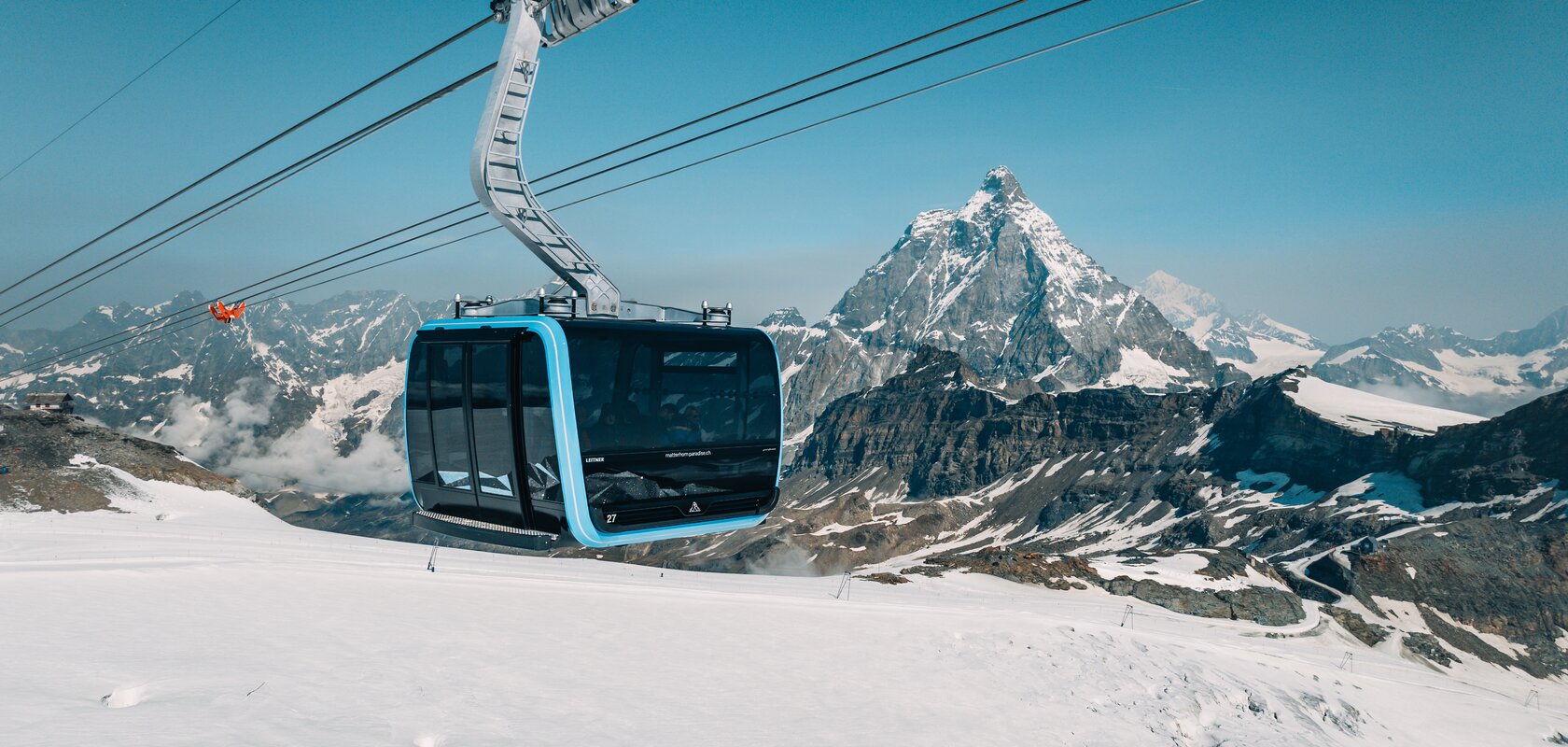
The best viewpoints are reached by mountain railway and cable car. The Gornergrat rack railway climbs from the village to its hotel at 3,100 metres, facing the Matterhorn, the Monte Rosa massif and the Gorner Glacier. The Matterhorn Glacier Paradise, the highest cable car station in Europe, looks out over glaciers towards Italy and France. Between the two, the Sunnegga funicular leads to the lakes of the Five Lakes Walk, where on calm mornings the Stellisee reflects the peak.
Zermatt is reached by train: cars stay in Täsch, a few minutes down the valley, and a shuttle train covers the last stretch. The village is also the western terminus of the Glacier Express to St. Moritz, which makes it a natural start or finish for a journey across the Alps.
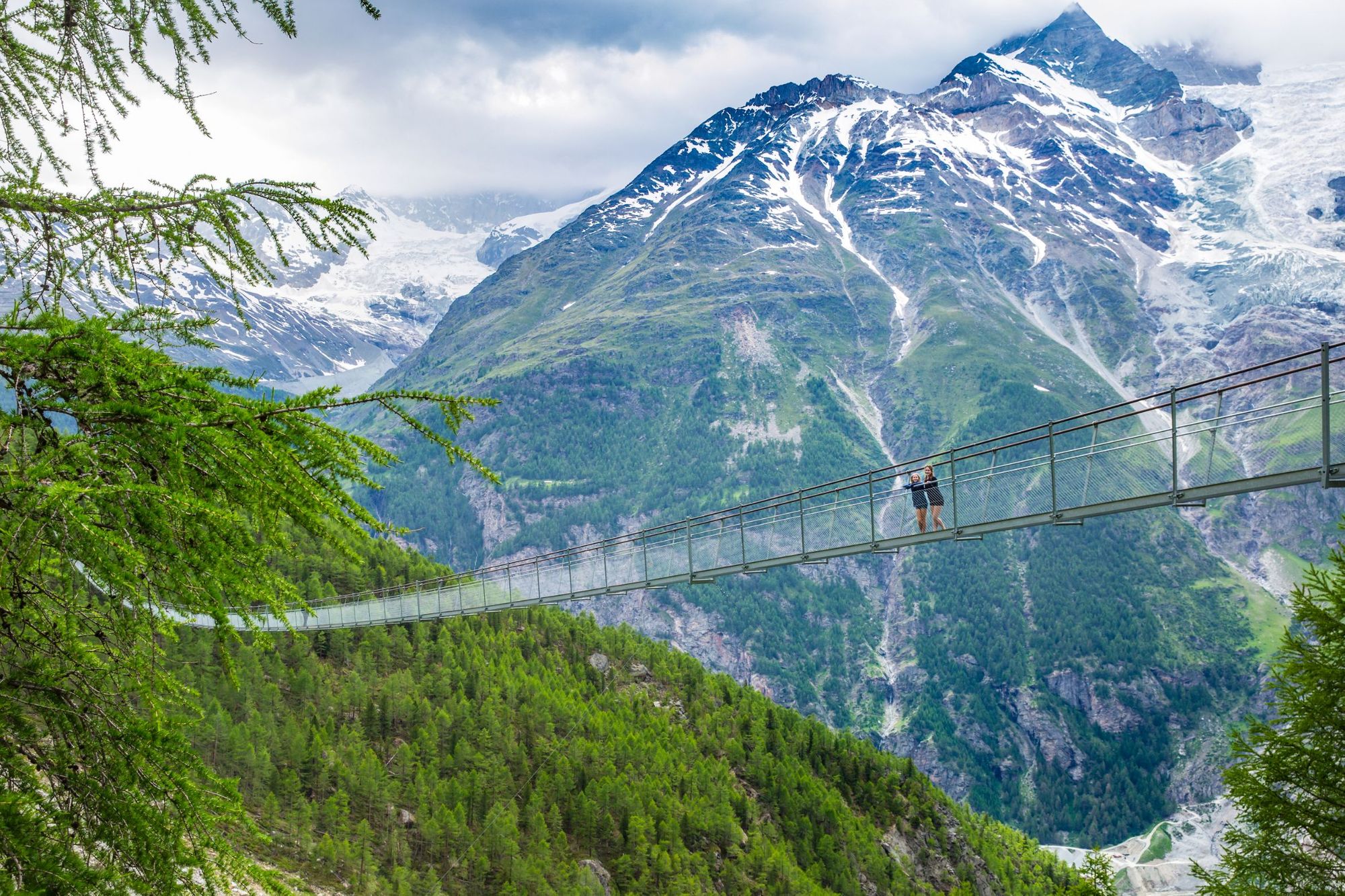
In winter Zermatt is one of the great ski areas of the Alps; from late June to September it is a starting point for walks among lakes, larch forests and glaciers, and for guided climbs. We book the hotels, the lifts and private mountain guides, and plan each day around the weather, so that the clearest hours are spent facing the mountain.
Gallery