Austria · Lakes
Salzkammergut · UNESCO
Lake Hallstatt
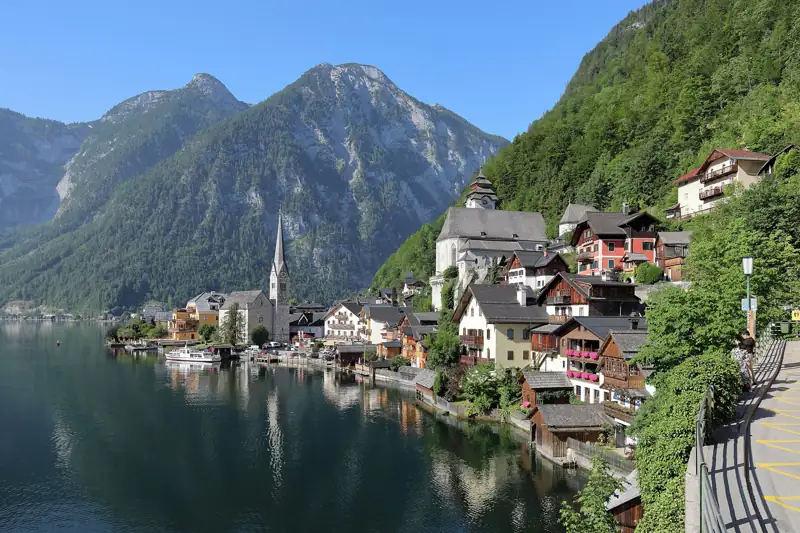
The lake below Hallstatt and the Dachstein, part of a UNESCO cultural landscape.
Salzkammergut · UNESCO
Lake Hallstatt
The lake below Hallstatt and the Dachstein, part of a UNESCO cultural landscape.
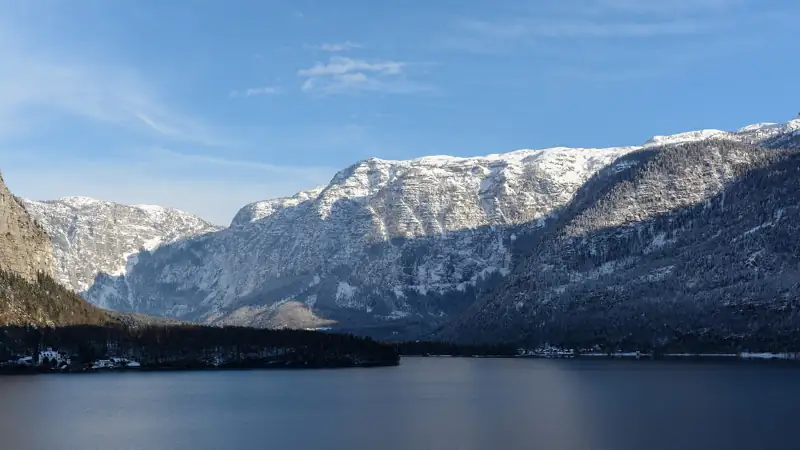
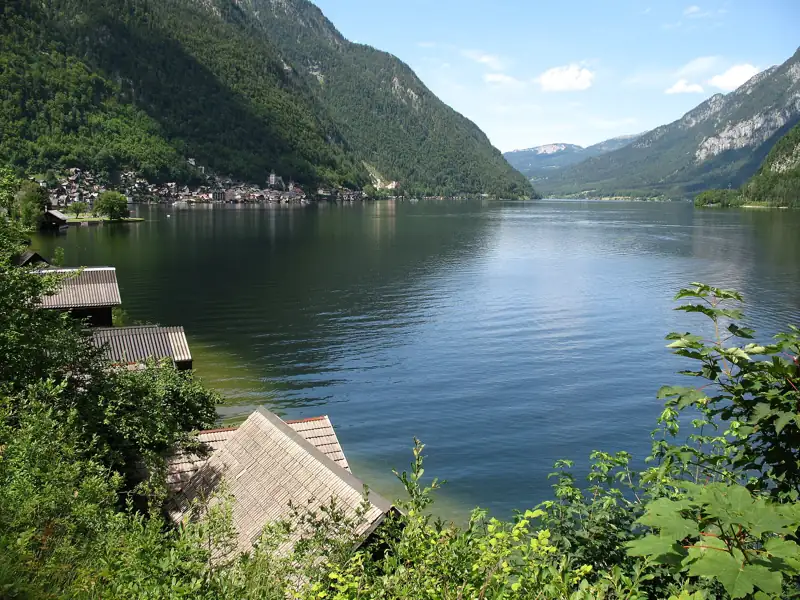
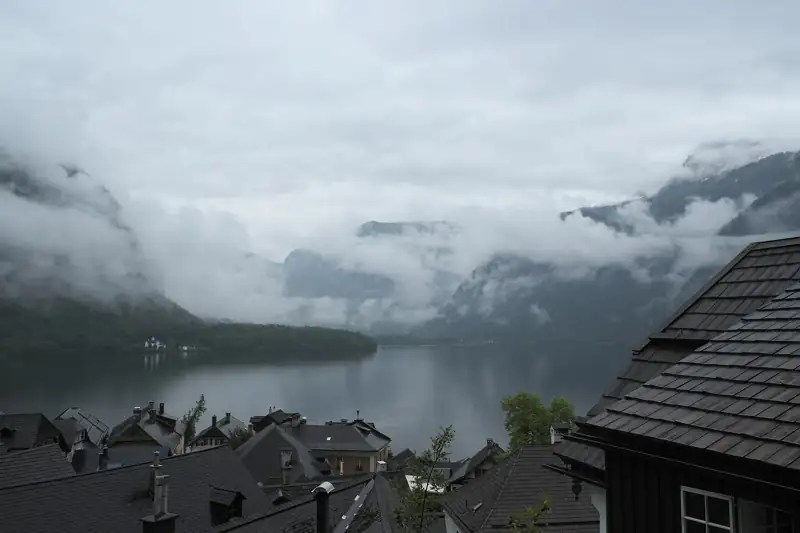
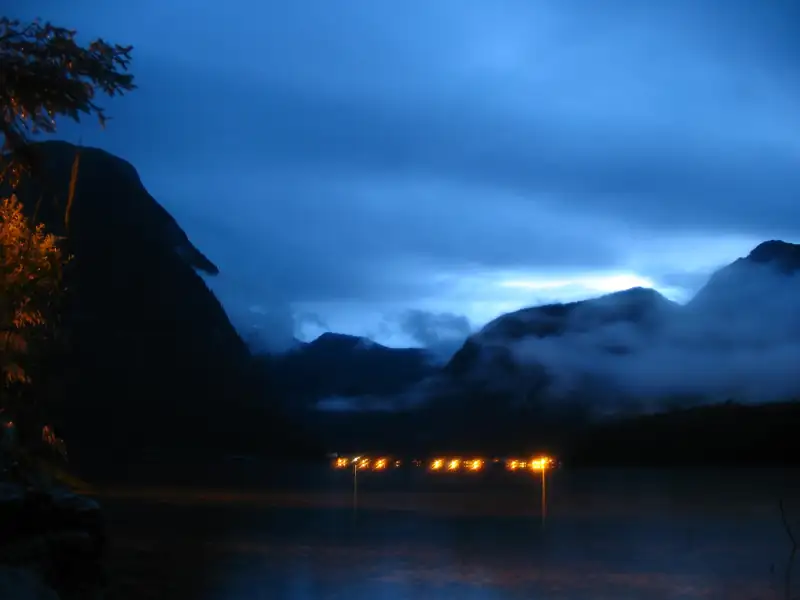
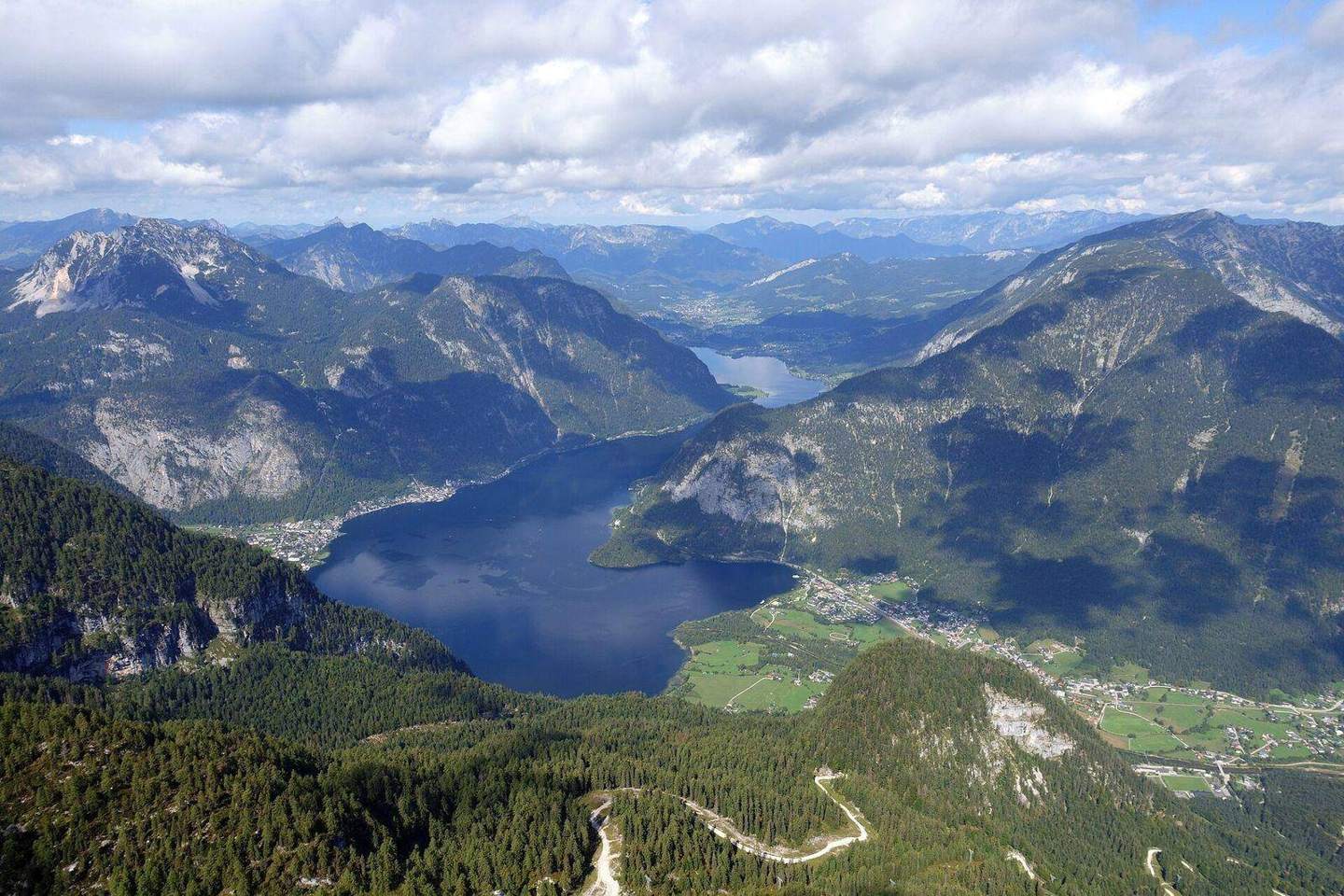
Lake Hallstatt (Hallstätter See) lies at the foot of the Dachstein, with the village of Hallstatt reflected in its water. The lake is deep and narrow, enclosed by steep mountains, and its colour changes from dark green to grey with the light and the season.
It is part of the UNESCO cultural landscape Hallstatt-Dachstein/Salzkammergut, recognised for the long history of salt mining and the way people adapted to life between lake and mountain. The Hallstatt culture of the early Iron Age takes its name from finds made in the high valley above the village.
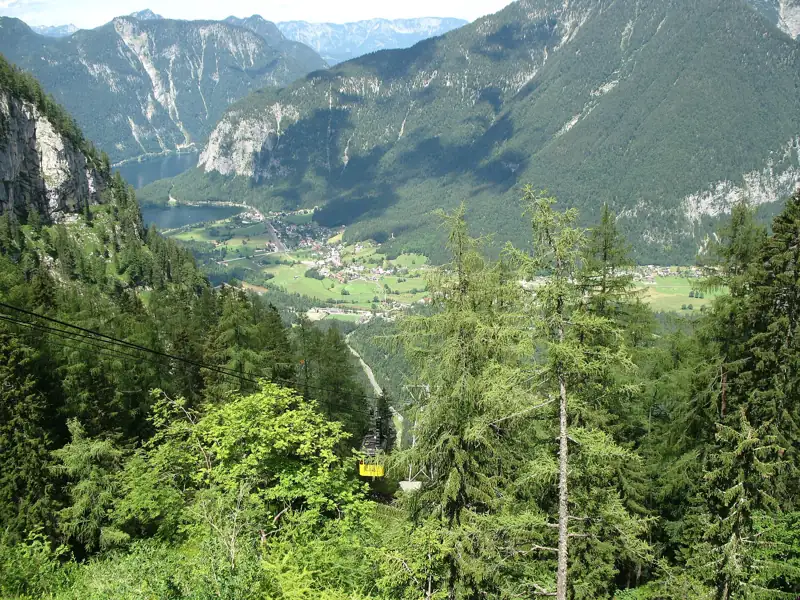
Boats cross the lake from the station of Hallstatt, on the eastern shore, to the village, a short crossing that gives the classic view of the houses and church towers. At the southern end lies Obertraun, with the cable car to the Krippenstein and the Dachstein caves; at the northern end Bad Goisern leads towards Bad Ischl.
Paths along the shore, small beaches and rowing boats make the lake pleasant in summer, and the Gosau lakes, with the Dachstein reflected in their water, are a short drive away. In autumn and early winter the light is softer and the village quieter.
The lake has a long history of transport. For centuries salt was carried across it by boat and along the Traun river towards the Danube, and the traditional flat-bottomed boats of the region, called Fuhren, can still be seen at Hallstatt. The Soleleitungsweg, a path that follows the historic brine pipeline from Hallstatt towards Bad Ischl along the slope above the lake, shows the water from above, and small coves along the shore are pleasant for swimming in summer.
We arrange the visit to the salt mine, the Dachstein and the stay in the area, with times chosen to avoid the busiest hours in Hallstatt, and private transfers from Salzburg.
Gallery