Italy · Cities
Sicily · Greek, Arab and Baroque
Sicily
Palermo, Taormina and Catania, between Greek theatres, Arab-Norman churches and Etna.
Sicily · Greek, Arab and Baroque
Sicily
Palermo, Taormina and Catania, between Greek theatres, Arab-Norman churches and Etna.
Sicily, the largest island in the Mediterranean, carries the traces of Greeks, Romans, Arabs, Normans and Spaniards. Each left its mark on the towns, the food and the landscape, and a journey across the island moves between ancient temples, mosaics and Baroque squares.
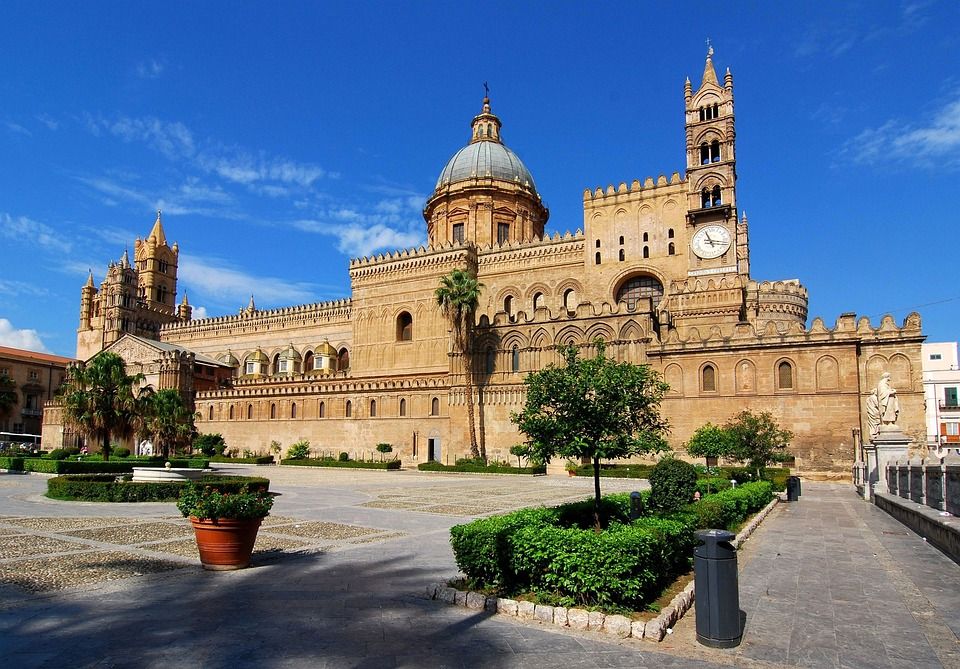
Palermo mixes Arab, Norman and Baroque: the Palatine Chapel with its golden mosaics, the cathedral, the cathedral of Monreale on the hill and the street markets of Ballarò and the Vucciria, where street food is part of the visit. The Arab-Norman monuments of Palermo, Monreale and Cefalù are a UNESCO World Heritage site. Cefalù, along the coast east of Palermo, combines its Norman cathedral with a long beach.
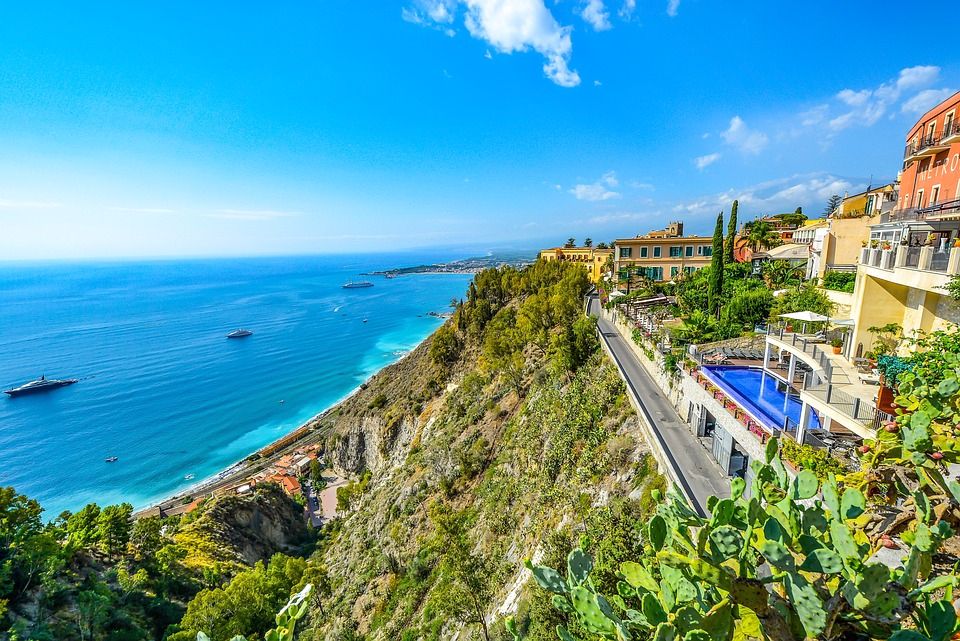
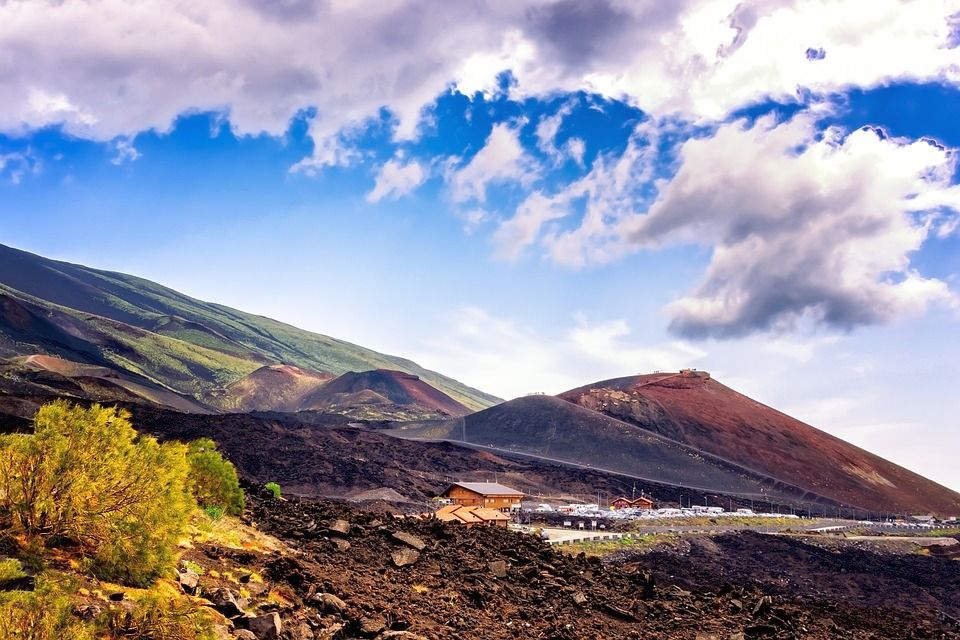
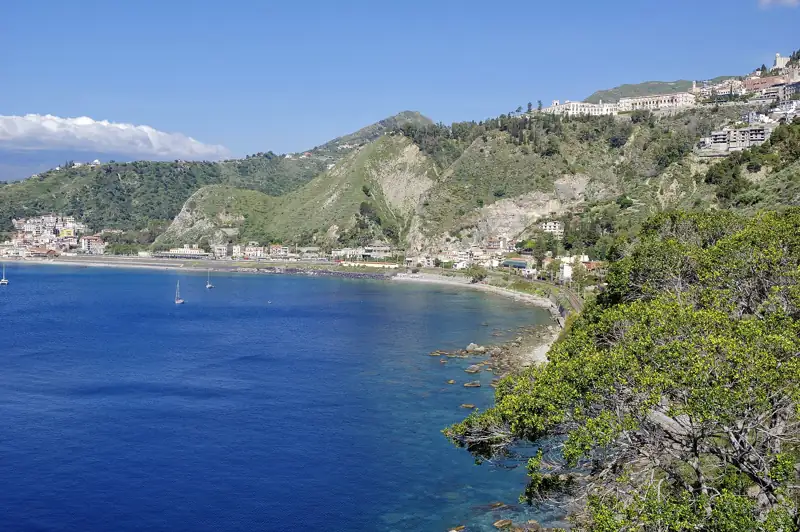
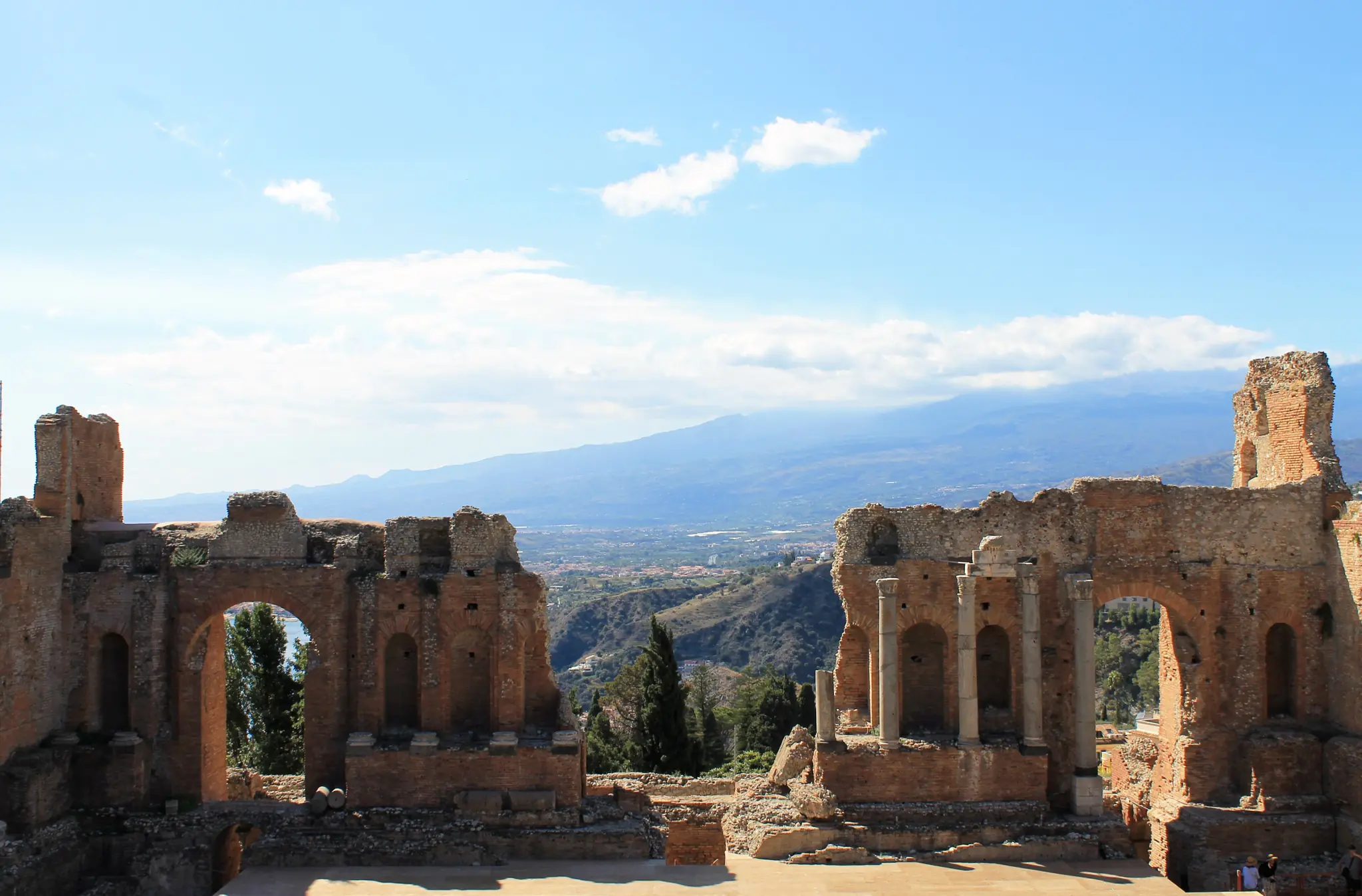
Taormina looks over the sea from its Greek theatre, with Etna in the background. Catania is a Baroque city built in lava stone at the foot of Etna, the highest active volcano in Europe and a UNESCO site; excursions reach its craters, and vineyards on its slopes produce some of the island’s best-known wines. Below Taormina, the bay of Isola Bella and the coast towards Giardini Naxos offer days by the sea.
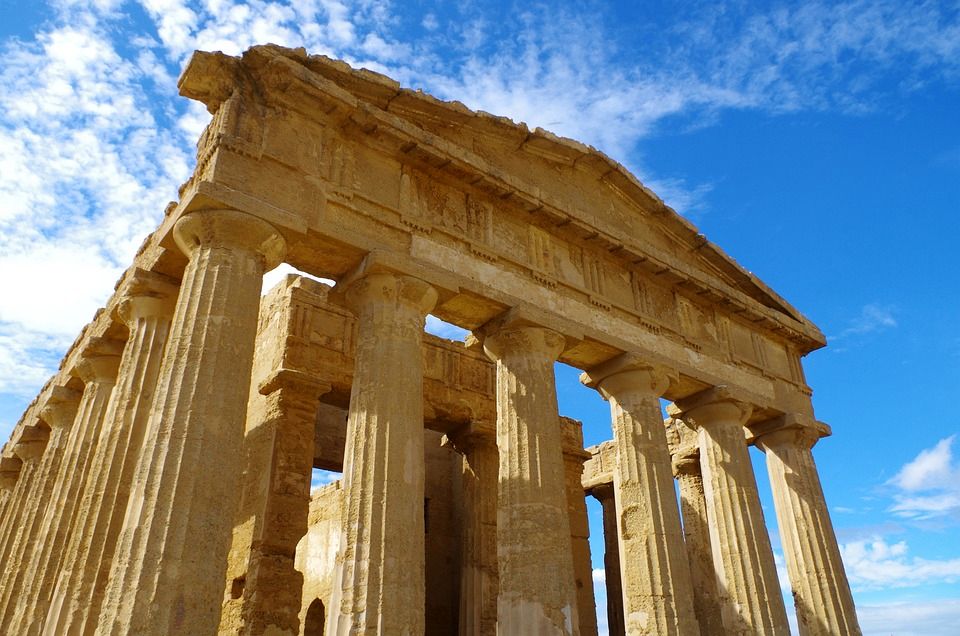
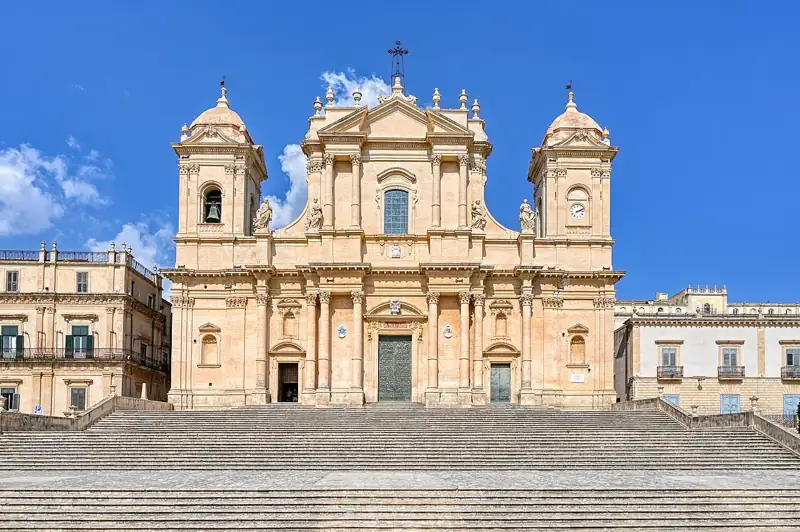
In the south-east are Syracuse, with the island of Ortigia and the Greek theatre of the Neapolis, and the Baroque towns of the Val di Noto, such as Noto, Ragusa and Modica. In the south lies the Valley of the Temples of Agrigento; off the north coast, the Aeolian Islands. Spring and autumn are the most comfortable seasons; summer is hot, and the sea stays warm until October. Distances are long, so most travellers choose two bases, east and west.
We book hotels in Taormina, Palermo and the countryside, private guides, excursions to Etna and days at sea.
Gallery